IN
IN

 USA
USA
 CA
CA
 IN
IN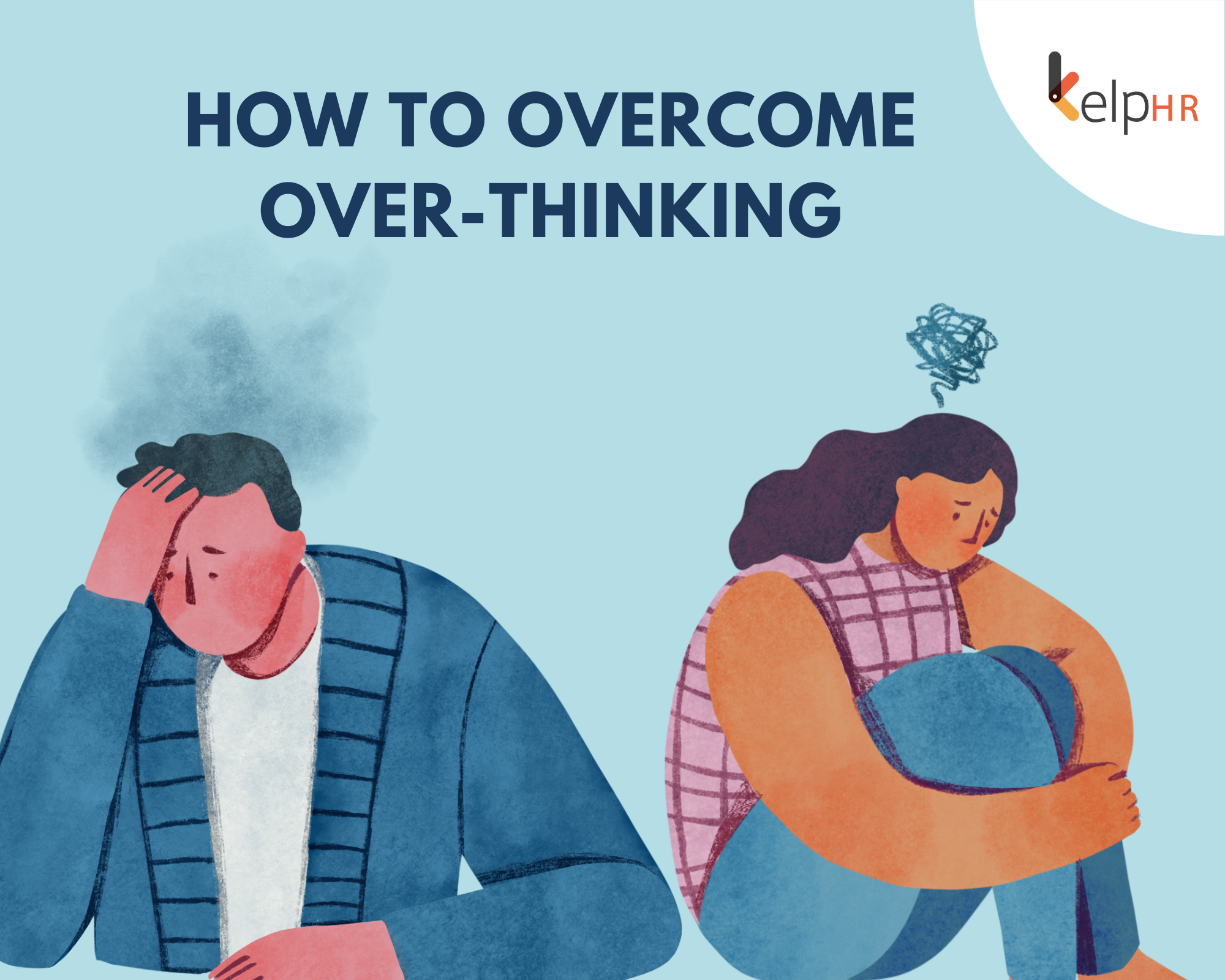
Overthinking is when you worry about or are fixated on the same thought repeatedly. It is absolutely natural to contemplate and think about something when decisions need to be made or a situation needs to be analyzed. But when you are unable to get the thoughts out of your head, it leads to overthinking.
We all overthink sometimes. The problem is when we cannot turn off the overthinking switch; this leads to intense worry and stress. We need to be aware of our thought patterns because they affect how we feel and react to a situation. Once we realize that what one thinking is not true and can reason on the why, is when we’re able to reframe that thought into a more acceptable and realistic one. This can help to reduce the anxiety induced by that thought, bringing a feeling of calm and relief. Overthinking involves cognitive distortions. We need to look at a few common types of overthinking in order to understand how we distort our thought patterns and how to overcome them. *
- Mental filtering occurs when we focus on the negatives of a situation, ignoring all the positives. For example, when you linger over a single negative comment from your boss, senior, family member, acquaintance, and disqualify all other positive comments.
- Mind-reading is when we jump to conclusions and assume we know what others are thinking. It can become an irrational consuming thought, when we start obsessing over negative interpretations instead of positive ones. For example, someone looks towards you with a frown and you, naturally assume they are thinking about you negatively.
- Rumination about the past; means to constantly, repeat or relive the memory of an embarrassing or upsetting past event. For example, criticizing, castigating yourself for a mistake you made, by replaying the situation, repeatedly, in your mind.
- Worrying about the future, also known as “fortune-telling”, involves jumping to conclusions by imagining the worst-case scenario. It involves agonizing over ‘what if’s’ without any evidence to back your predictions. In such cases having pessimistic thoughts and mentally flogging yourself with thoughts that things will never get easier, better or work out for you.
- Overgeneralizing by reaching an erroneous conclusion based on a single experience. Dr. David Burns states that ‘this distortion plays an important role in the pain we go through during rejection’. For example, you get rejected by one suitor and conclude that you will never be able to find a partner.
- Using “should” statements focusing on how things would or should play out based on the unrealistic expectations we hold for us or others. On the positive side, you could use these ‘should’ statements for motivation, but most of the time, it leads to self-criticism and guilt. For example, you loathe yourself because you should not have made a mistake during a presentation or interview.
- Labeling is an extreme form of overgeneralization. It involves giving yourself a label because of a negative experience you had. Getting stuck in a negative thought loop leads to low self-worth. For example: “I am stupid”, “I am useless”, “I am un-loveable.”
- All-or-nothing thinking. Evaluating yourself, or others, only in black-or-white categories. For example, you answer one question wrong in an interview and think that the whole performance is a failure.
- Hopelessness or fixating obsessively on a thought based on one instance, to the extent that you may, truly, start to believe it. For example, you gave your best to a project, but it wasn’t received well by everyone, so you start thinking there is no point in working hard on other projects.
- Let go of the past.
- Practice being in the present – unplug, eat mindfully, get outside and look around you, connect with nature. Practice deep breathing.
- Focus on what you can control and let go of what you cannot.
- Identify your fears and automatic negative thoughts.
- Write down or share solutions.
- Decide to become a person of action.
- Look at the bigger picture.
- Meditate to clear your mind of nervous chatter.
- Distract yourself by engaging in an activity you enjoy.
- Do something nice for someone else.
- Ask for help.